Invasive Flora
Invasive and exotic species in Puerto Rico are not limited to animals; they also include vegetation that affects biodiversity and native ecosystems by invading and competing with our wild flora. Here we present images and brief information about each species, explaining how they were introduced and their impacts on native flora, based on documents from the Puerto Rico Department of Natural and Environmental Resources.
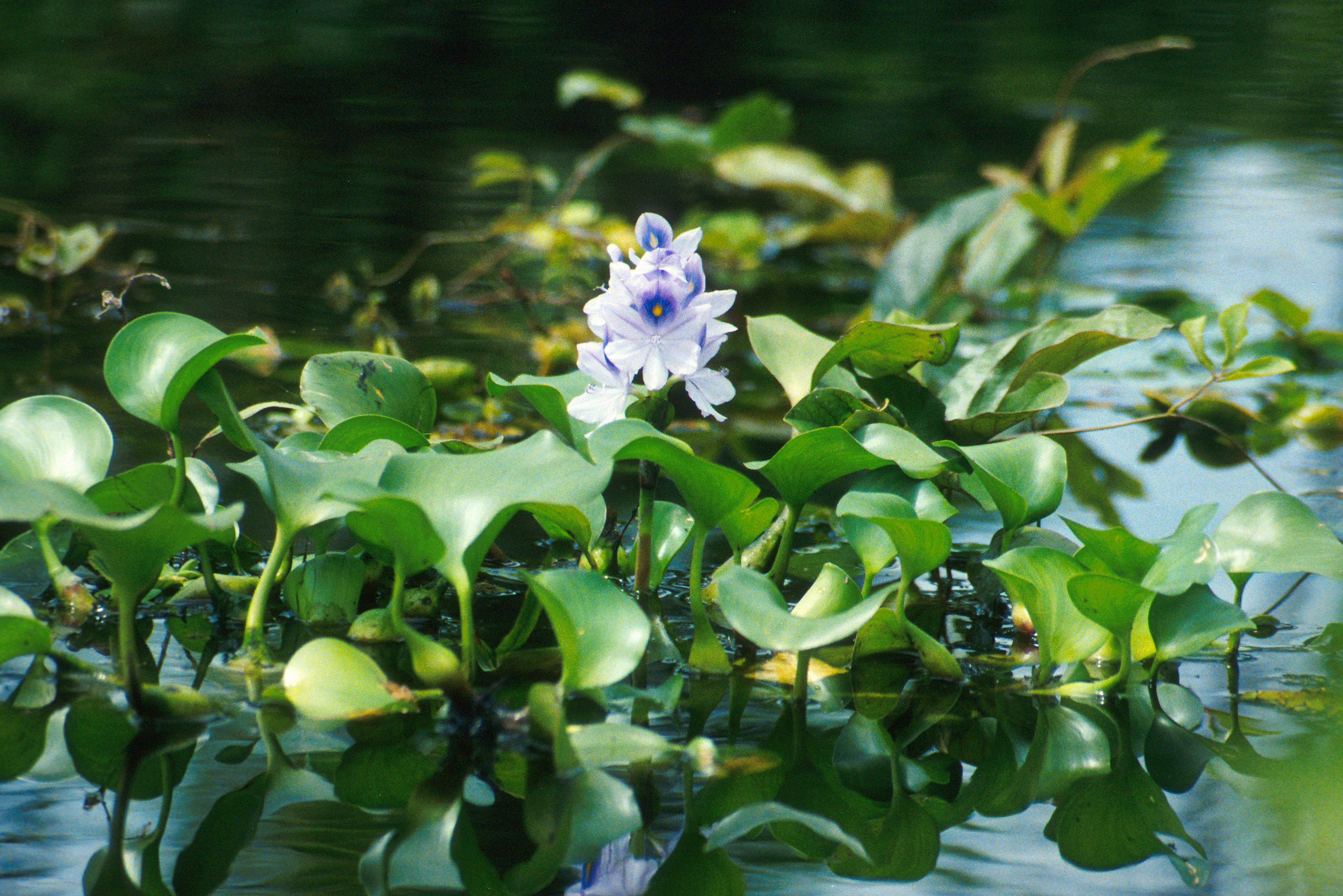

Water hyacinth (Eichhornia crassipes) and water lettuce (Pistia stratiotes)
They form dense mats over estuaries, blocking irrigation
channels and hindering aquatic activities…
These plants prevent the penetration of light and oxygen,
causing hypoxia and affecting the survival of fish and other
organisms. They damage water infrastructure, increase
maintenance costs, and promote mosquito proliferation by
creating stagnant areas.
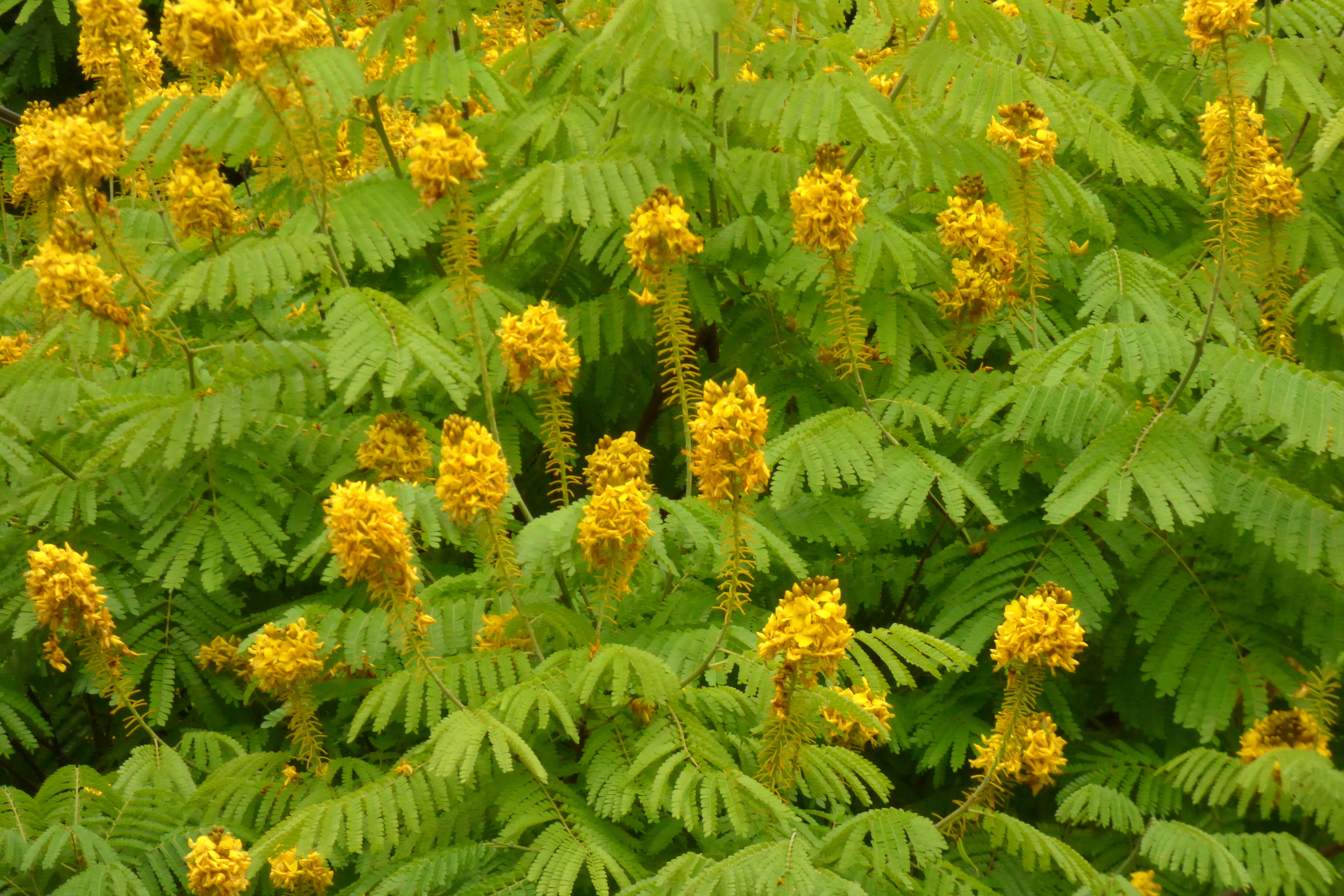
_(14834499550).jpg)
Yellow acacia (Albizia lebbek)
High-risk species that displaces native vegetation and creates
monospecific forests in degraded areas...
It tolerates a variety of soils and conditions, withstands
droughts and different elevations. Its seeds disperse easily,
promoting reinvasion. Although it fixes nitrogen and aids in the
regeneration of tree species, it eventually gives way to other
invasive plants.
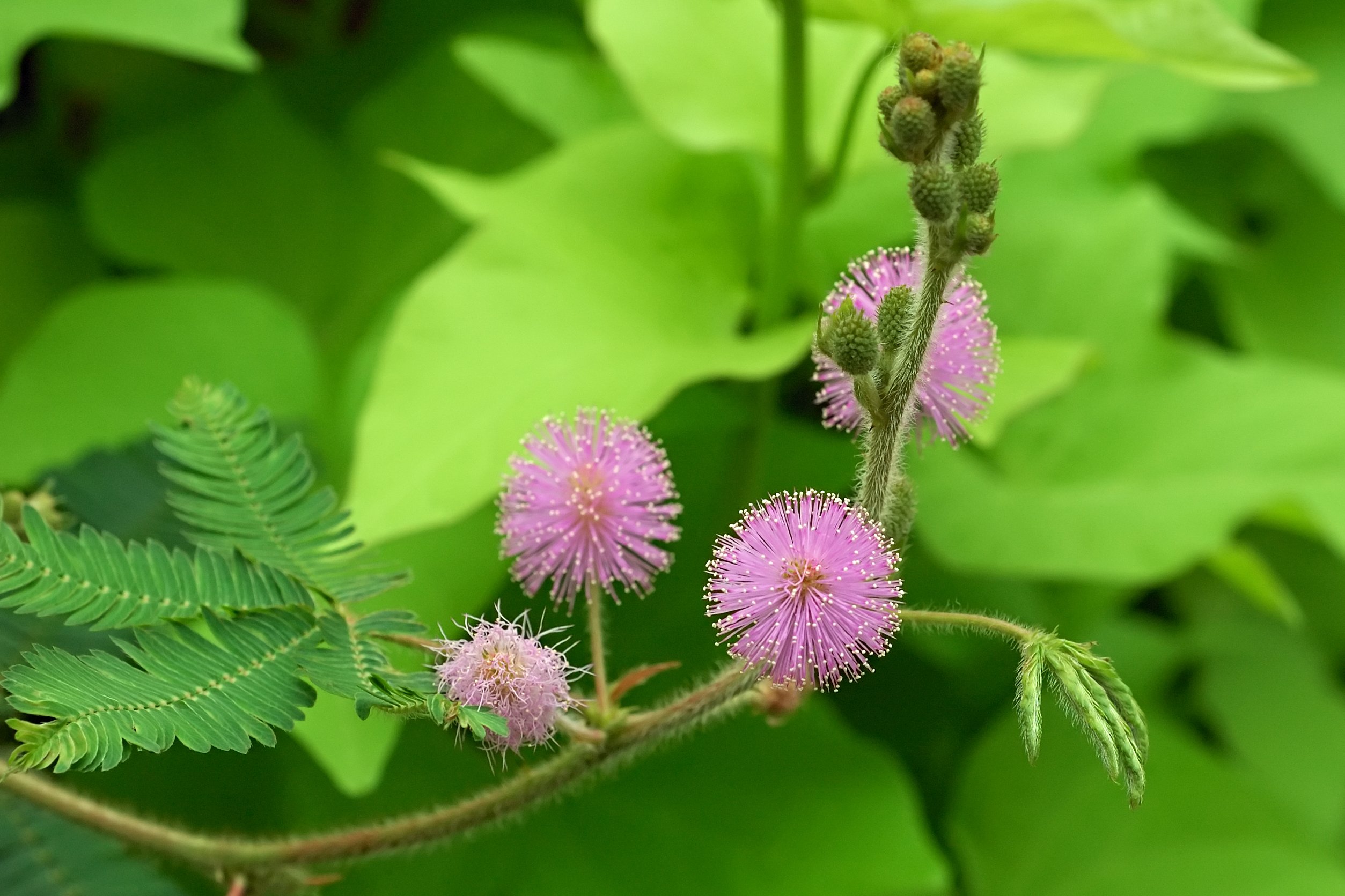

Dormilona (Mimosa pellita)
It forms dense thickets in grasslands and wetlands, displacing
native vegetation and reducing biodiversity…
Its spines cause injuries and are not consumed by livestock. It
produces seeds that float and remain viable for over 20 years.
It tolerates flooding and poor soils, making its control and
management difficult.
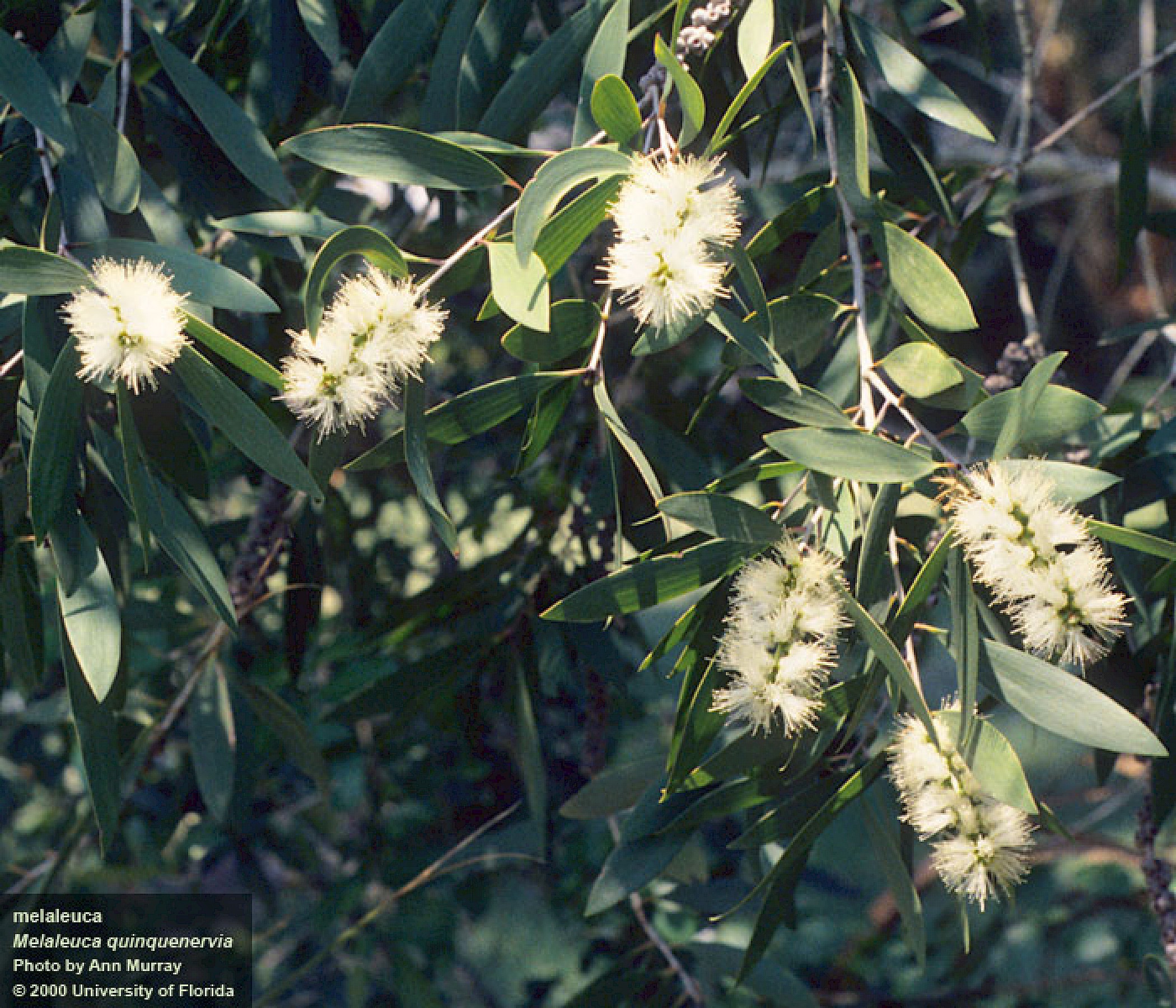
Niaulí (Melaleuca quinquenervia)
It has become naturalized in mangroves and wetlands, displacing
native vegetation and affecting coastal ecosystems…
It forms single-species forests that alter water flow and reduce
aquifer recharge. Its roots can damage pipes and underground
systems. Its planting has been prohibited in Puerto Rico since
2008 due to its environmental impact.